



Peri-Operative Medicine and AF Ablation Support.
When anaesthesia concerns you or your doctor - we should meet



My Challenge
When anaesthesia raises concerns for you or your doctor, a specialist review can help:
No two patients have the same medical history, risk profile, or previous experience of surgery and anaesthesia. A careful peri-operative assessment can help identify concerns early, improve preparation, and make treatment safer and more predictable.
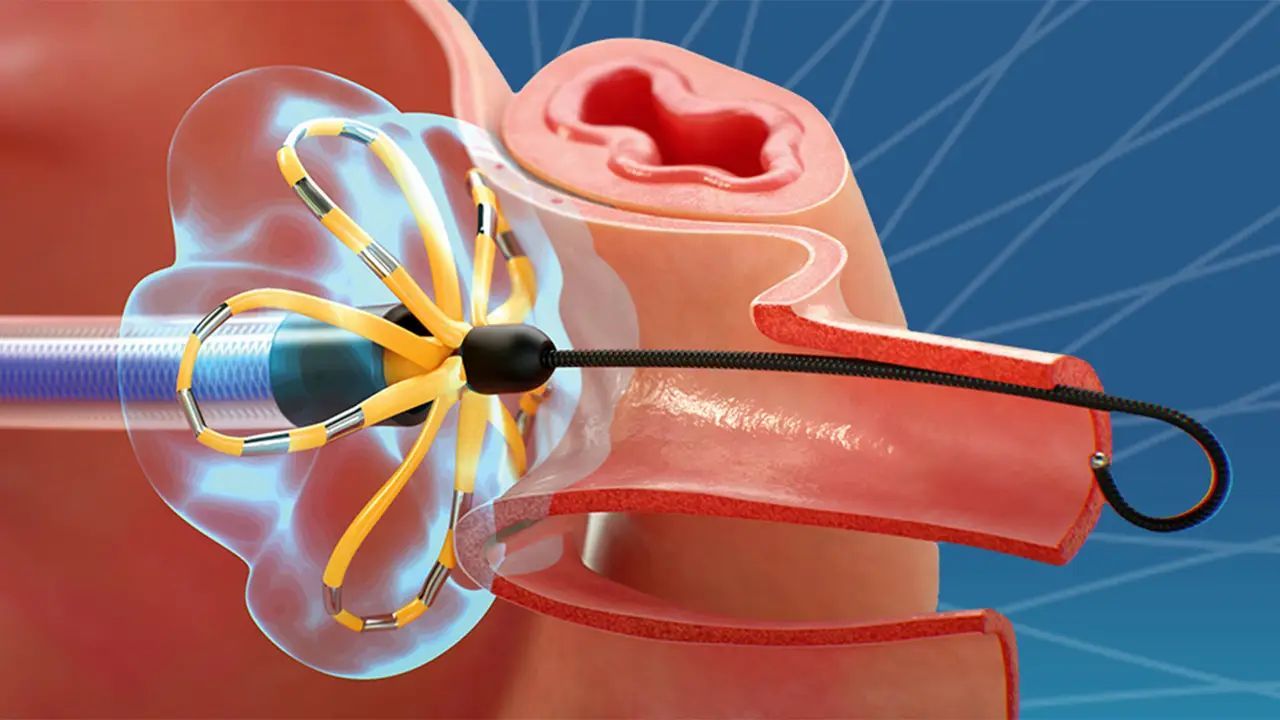
Peri-operative medicine is about looking at the whole patient rather than a single procedure in isolation. This is particularly important for patients with cardiac issues, sleep-related breathing problems, previous difficulties with anaesthesia, or those preparing for catheter ablation and similar procedures.
A joined-up approach
Many patients come to consultation with several overlapping concerns. These may include atrial fibrillation, snoring or sleep apnoea, breathlessness, worries about anaesthesia, previous bad experiences after surgery, or uncertainty about how well prepared they are for a planned procedure.
Part of my role is to assess how your heart, lungs, sleep, medications, and previous anaesthetic history fit together. Sometimes improving one problem can also help another, for example when better management of sleep-disordered breathing supports safer anaesthesia and better overall health.
How the consultation works
The best place to start is a face-to-face outpatient consultation. We go through your medical history, previous procedures, any problems with anaesthesia or recovery, and any concerns you or your doctors may already have.
It is often helpful to bring clinic letters, test results, medication lists, and any other relevant records. Some patients also find it useful to bring a relative or friend, particularly if they would like support or help recalling previous medical events.
At this stage, no detail is too small. Small pieces of information can be important when planning safe anaesthesia and peri-operative care.
Common reasons for referral
This service may be helpful if you have experienced:
• Severe nausea or vomiting after an operation.
• Poor pain control or difficult recovery after a previous procedure.
• Drug allergies or possible anaesthetic reactions.
• Cardiac concerns or complex medical conditions.
• Snoring, suspected sleep apnoea, or other sleep-related problems.
• Needle phobia or significant procedural anxiety.
• Fear of awareness during anaesthesia.
After the consultation:
Following review, I can either continue to support your care directly or provide a written report for your doctors, insurer, or medical records. The aim is to give you and your treating team a clearer understanding of risk and a practical plan for moving forward safely.
How this helps:
Sometimes one untreated problem contributes to another, and addressing it early can improve both procedural safety and overall health. For example, identifying and treating sleep-disordered breathing may reduce anaesthetic risk and may also support better cardiovascular health in selected patients.
After consultation, I can either continue to support your peri-operative pathway directly or provide a written report for your surgeon, physician, insurer, or medical records. This allows the advice to be used whether your treatment is with me or with another clinician or hospital team.




Costs
There is always a cost when professional time is used and hospital rooms are rented. Self-pay consultations start at £250 for the first hour and £150 for each additional hour.